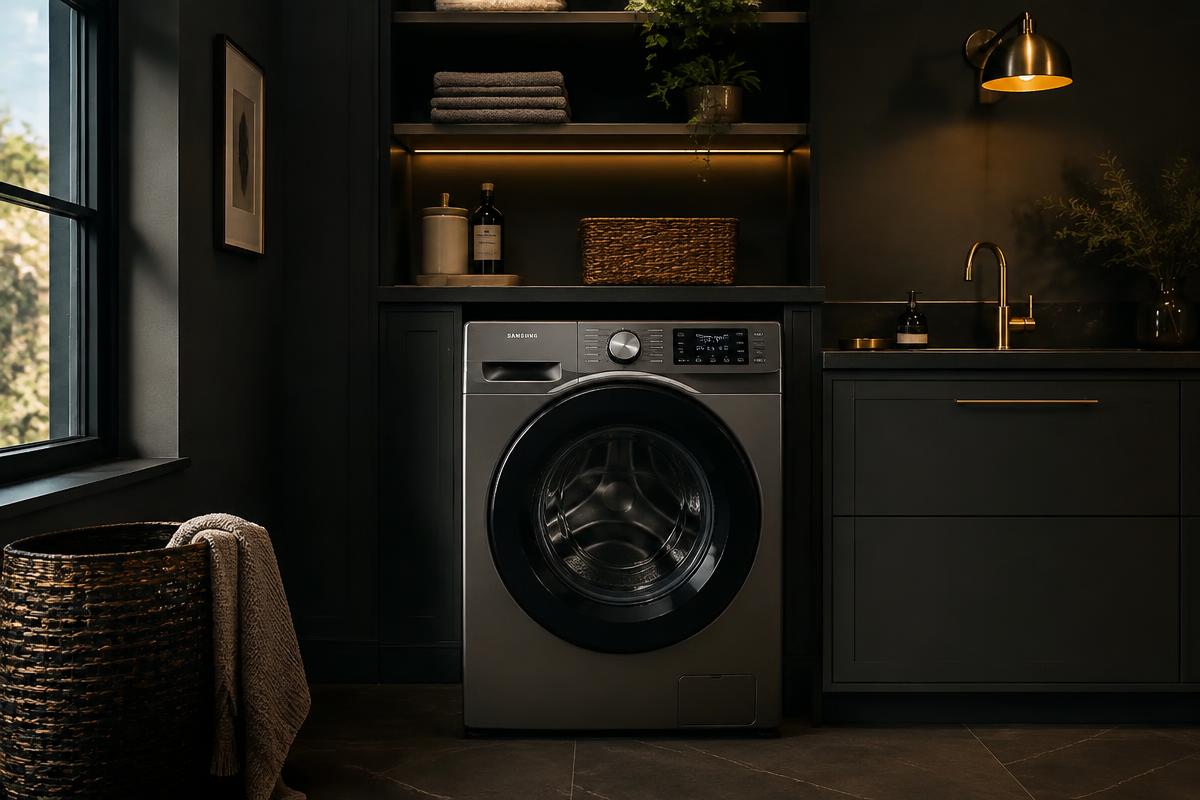
Dryer
Why Is My Dryer Taking Too Long to Dry?
Long drying time can begin with laundry that enters too wet, a load that cannot tumble freely or exhaust air that cannot leave the dryer properly. Heat alone does not dry clothes efficiently when moisture cannot escape. Repeated heated cycles are not a safe workaround for an airflow warning or excessive heat.
Understand the symptom before choosing a repair
Follow moisture through the whole laundry process
Drying starts with how much water the washer removes. Compare ordinary loads with bulky bedding and note whether clothes are unusually wet after spin. A washer spin problem can look like a dryer problem, so describe both steps when arranging service.
Distinguish cycle completion from drying performance
An air-only cycle intentionally avoids heat, while sensor and timed cycles end differently. Compare the chosen cycle with the care label and model manual. Do not keep adding time if the dryer becomes unusually hot or reports restricted airflow.
Think beyond the lint screen
A clean removable screen does not guarantee a clear wall duct or outside hood. Hidden exhaust runs may require a qualified vent-cleaning professional. Heat-pump and condenser dryers have different owner-maintenance paths; do not apply a vented-dryer checklist to every design.
Common possible causes
Wet or oversized load
Poor washer spin or tightly packed items can increase the moisture the dryer must remove.
Restricted exhaust
Lint, crushing or a blocked outlet can prevent moist air leaving a vented dryer.
Cycle or appliance condition
Unsuitable settings, sensor behavior or a heating fault can affect drying performance.
Safe things you can check
Follow your exact owner manual. Keep checks to normal controls and accessible areas; stop if a step requires moving a heavy appliance, removing protective panels or handling electrical, gas or refrigerant components.
- With the dryer off and cool, clean its removable lint screen as the manual specifies.
- Compare load size and cycle with the manual; note unusually wet clothes after the washer spin.
- For a vented dryer, inspect the outdoor hood only from safe ground-level access and note visible obstruction.
Stop-use signs
Stop heated drying for airflow codes, unusual heat, burning odor or smoke. Do not climb to vents, disconnect gas, bypass sensors or run the dryer with its exhaust disconnected.
Signs professional inspection is needed
Arrange an exhaust assessment for hidden or persistent airflow restriction and appliance diagnosis if normal loads still dry poorly after the permitted maintenance. Record whether clothes remain cold, warm or unusually wet.
Keep a note of the model, exact codes, when the symptom started and recent installation or maintenance. These observations help North West Easy Fix prepare without treating the symptom as a confirmed diagnosis.
Repair or replacement: what to weigh
If the exhaust installation is the problem, replacing the dryer alone may leave the cause unchanged. Base repair or replacement on the actual appliance diagnosis, installation needs and overall condition rather than drying time alone.
Should I repair or replace my appliance?Related service and problem information
Related error-code guides
Use a code guide only when the brand, appliance and model match. Exact meaning can vary by model; a code does not confirm a failed part.
Related appliance brands
Real Repairs Related to This Problem
Whirlpool · Dryer
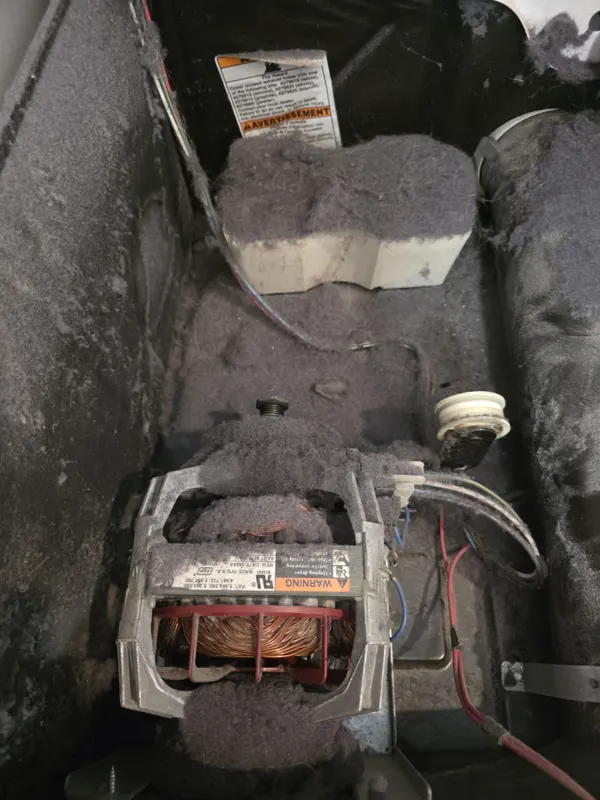
Whirlpool Duet Dryer — Severe Internal Lint Buildup
Significant lint accumulation was found inside the dryer.
Diagnosis: Lint and debris had accumulated around the motor, blower housing, ducting and internal components.
Repair: The dryer was disassembled and thoroughly cleaned internally.
Result: Major lint buildup was removed, airflow paths were cleaned, and the dryer was reassembled and tested.
View Repair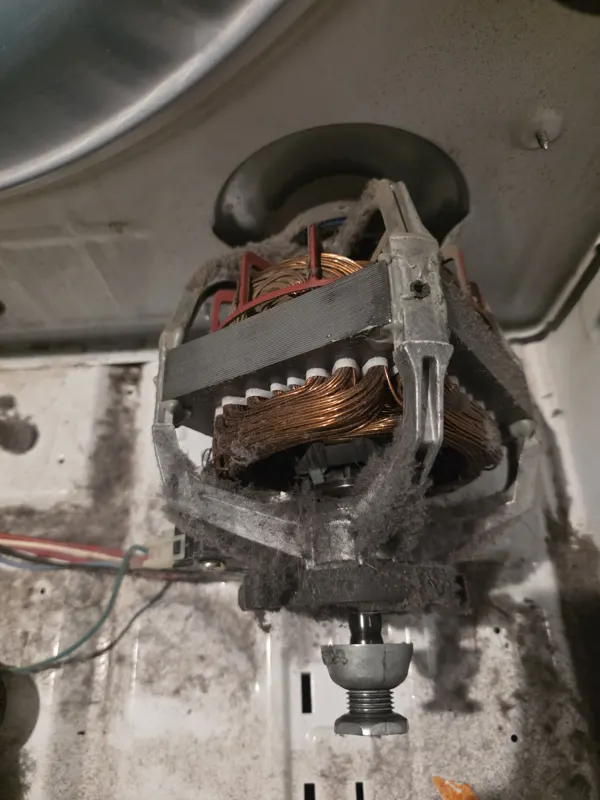
Whirlpool · Dryer
Whirlpool Dryer — Burning Smell and Heavy Lint Buildup
The customer reported a burning smell coming from the dryer.
Diagnosis: Heavy lint and debris buildup was found inside the dryer, including around the motor and internal airflow areas.
Repair: The dryer was disassembled, internally cleaned and inspected.
Result: Lint buildup was removed and the dryer was tested for proper operation.
View RepairLocal help in Portland Metro & Vancouver, WA
North West Easy Fix provides mobile appliance repair visits across Portland Metro and Vancouver, Washington. We contact you to confirm your appointment and discuss the next steps.
Explore home service in Portland, Beaverton, Hillsboro and Vancouver, WA. All service areas.
Common questions
Can a washer make the dryer seem slow?
Yes. Laundry that remains unusually wet after spin gives the dryer more moisture to remove.
Does a clean lint screen mean the vent is clear?
No. A restriction can be farther along the duct or at the outside hood.
Is a heat-pump dryer checked the same way?
No. Follow that model’s filter and condenser maintenance; not every dryer vents outdoors.
Should I keep adding heated cycles?
Not with excess heat or an airflow warning. Stop and address the condition rather than repeatedly extending time.
Further reading
Manufacturer maintenance and controls differ by model. North West Easy Fix is an independent repair business, not an advertised manufacturer-authorized service provider.
Ready to discuss your appliance?
The $99 diagnostic/service call fee is applied toward your repair cost when you proceed with the repair, not charged separately on top of it. Completed repairs include a 3-month parts and labor warranty.
- $99 Diagnostic
- 3-Month Warranty
- Licensed · Bonded · Insured