Refrigerator
Why Is My Refrigerator Not Cooling?
A refrigerator can become warm because cold air is not circulating, warm air is entering, settings have changed or part of the cooling system is not working. A running sound does not confirm that food is staying cold. First protect perishable food, then compare what is happening in the refrigerator and freezer rather than guessing a failed part.
Understand the symptom before choosing a repair
Start with food temperature, not the display
The selected temperature on many controls is a target, not a measurement of the food compartment. An appliance thermometer gives better evidence. Keep refrigerated food at 40°F or below; if you cannot establish how long food was warm, consult food-safety guidance rather than relying on smell.
Compare compartments and timing
A cold freezer with a warm refrigerator suggests a different investigation from both compartments warming. Note whether the change followed a power interruption, a door left open or a large grocery load. These clues narrow an inspection but do not establish a diagnosis.
Understand the airflow path
Many refrigerators circulate cold air through interior vents. Packages against those openings and poor door closure can affect temperature. Frost behind a protected panel is not an invitation to remove it; fan and defrost-system work belongs to a technician.
Common possible causes
Airflow and door closure
Blocked visible vents or a door held open by packaging can interfere with temperature control.
Settings or operating mode
Temperature settings or a model-specific showroom mode may need checking against the manual.
Fan, defrost or cooling-system trouble
Similar temperature symptoms can arise from different internal systems; a compressor is only one possibility.
Safe things you can check
Follow your exact owner manual. Keep checks to normal controls and accessible areas; stop if a step requires moving a heavy appliance, removing protective panels or handling electrical, gas or refrigerant components.
- Check the selected temperature and any display/demo mode against the exact owner manual.
- Confirm both doors close fully and food is clear of visible interior vents.
- Record refrigerator and freezer temperatures with an appliance thermometer if available; move perishables to safe cold storage when needed.
Stop-use signs
Do not wait for a routine visit to protect food. Keep away from a damaged cord or wet electrical connection; never remove cooling-system covers or handle refrigerant.
Signs professional inspection is needed
Persistent warm temperatures despite normal settings and clear vents, recurring heavy frost, unusual fan noise or both compartments warming call for diagnosis. Record the temperature pattern and when it began.
Keep a note of the model, exact codes, when the symptom started and recent installation or maintenance. These observations help North West Easy Fix prepare without treating the symptom as a confirmed diagnosis.
Repair or replacement: what to weigh
A repair decision depends on the diagnosed system, cabinet and door condition, parts availability, age and prior repairs. A warm compartment alone is not a reason to replace the entire refrigerator; compare a written repair proposal with the full installed replacement cost.
Should I repair or replace my appliance?Related service and problem information
Related error-code guides
Use a code guide only when the brand, appliance and model match. Exact meaning can vary by model; a code does not confirm a failed part.
Related appliance brands
Real Repairs Related to This Problem
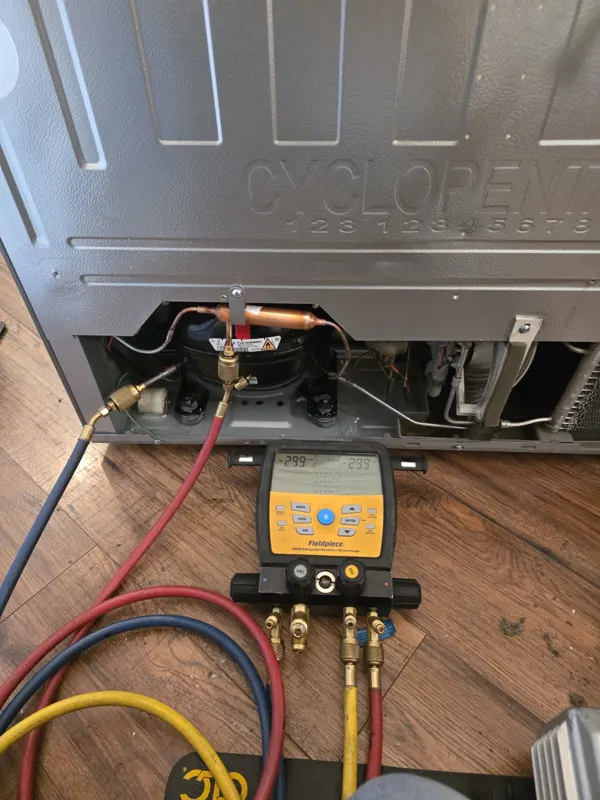
LG · Refrigerator
LG Refrigerator Compressor Replacement
The refrigerator was not cooling properly.
Diagnosis: The sealed refrigeration system was diagnosed with a failed compressor.
Repair: The LG compressor was replaced. The sealed system was serviced, evacuated and recharged with refrigerant.
Result: Refrigeration operation was restored, and system operation and pressures were checked after the repair.
View Repair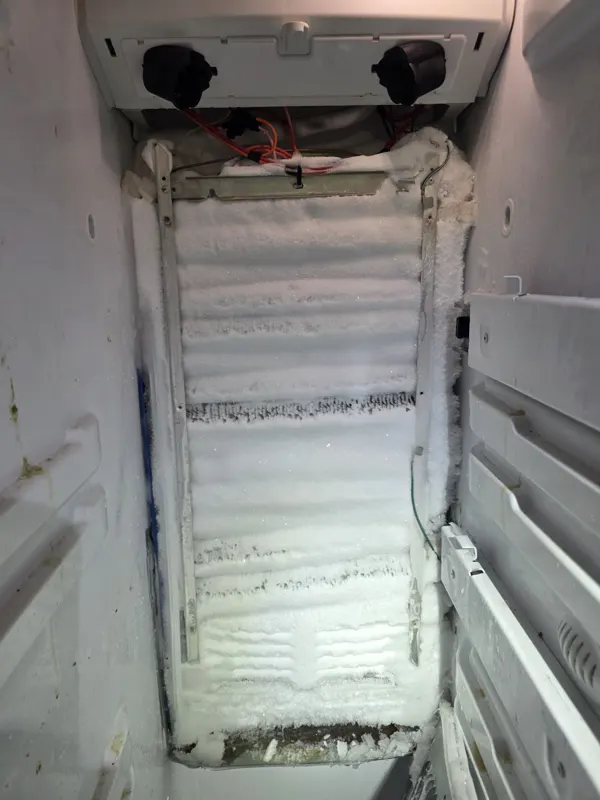
Refrigerator
Refrigerator Frozen Evaporator — Defrost System Repair
The refrigerator was not cooling properly.
Diagnosis: Heavy ice buildup covered the evaporator because the defrost system was not operating correctly.
Repair: The defrost issue was repaired and accumulated ice was removed from the evaporator area.
Result: Airflow across the evaporator was restored and normal cooling operation returned.
View RepairLocal help in Portland Metro & Vancouver, WA
North West Easy Fix provides mobile appliance repair visits across Portland Metro and Vancouver, Washington. We contact you to confirm your appointment and discuss the next steps.
Explore home service in Portland, Beaverton, Hillsboro and Vancouver, WA. All service areas.
Common questions
Does a running refrigerator mean it is cooling?
No. Motors or fans can make sound while food temperatures remain too high. Measure temperature rather than judging by sound.
Why is the freezer cold but the refrigerator warm?
Airflow or compartment-specific conditions may be involved, but the pattern does not identify a single faulty part.
Can I trust the temperature shown on the panel?
Many displays show the selected target. Use the owner manual and an appliance thermometer to distinguish target from actual temperature.
Should I unplug it to erase a code?
Record the complete code first. Some manufacturers advise preserving refrigerator errors for diagnosis; reset only when the exact manual or manufacturer directs it.
Further reading
Manufacturer maintenance and controls differ by model. North West Easy Fix is an independent repair business, not an advertised manufacturer-authorized service provider.
Ready to discuss your appliance?
The $99 diagnostic/service call fee is applied toward your repair cost when you proceed with the repair, not charged separately on top of it. Completed repairs include a 3-month parts and labor warranty.
- $99 Diagnostic
- 3-Month Warranty
- Licensed · Bonded · Insured
- EPA 608 Certified for refrigerant-related service